
This webinar is part of 4 webinars to get ready for your upcoming endurance season. This is the first in the series.
In this one we look back on our previous season and all your work in that year to find how everything went, look at weak links we can find in our horse, ourselves and possibly our circumstances and come up with an action plan to work and improve on these in the winter months and during our conditioning phase.
3 Hits
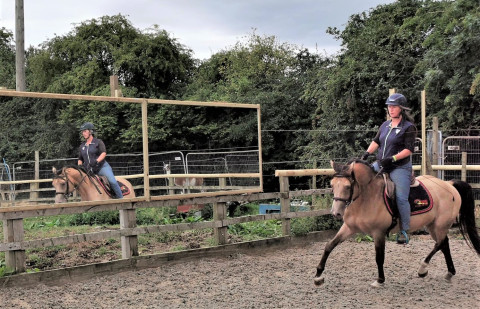
This is the third in a new series of articles in which we will investigate the quality aspect of training and how to maintain a healthy, sound, and happy equine athlete. The first article touched on the basics and "riding in the box," and in the second I gave you information, tips and exercises for the practical quality aspect of training In this t...
1815 Hits

This is the second in a new series of articles in which we will investigate the quality aspect of training and how to maintain a healthy, sound, and happy equine athlete. While logging miles is important, the manner in which we do so is equally, if not more, crucial. The first article touched on the basics and "riding in the box," and in this insta...
1658 Hits

I'm thrilled to write another 4 articles for you (if you have missed the previous ones about "Fuel efficiency", "How to gauge the efforts of our horse in work", "Using your HR monitor when training" and "The fitness plateau", have a look at the older blogs on the website. The first of every year (art 1 and 5) are on the normal blog space, for ...
261 Hits

In the previous article, I told you about using your heartrate monitor when training. I hope you have found that helpful, and have started to use your heart monitor more. Not only to see when the HR drops low enough to vet, but also during training or other work to see how your horse responds to the intensity of the work you are asking it to do. In...
1702 Hits
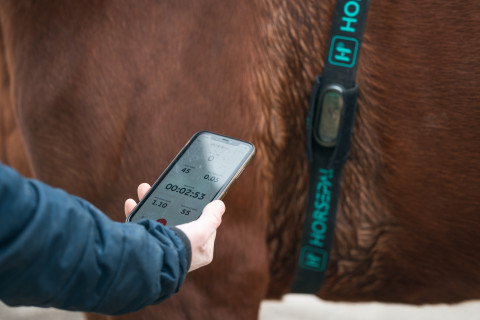
In the previous blog, I told you about logging the distance, duration, average speed, and elevation of your training sessions. Adding indexes for climb and canter gives a selection of great parameters to compare training and see how you progress. But these numbers do not tell you anything about how your horse actually experiences the effort du...
3567 Hits

Another recorded webinar for you, all about the different types of horses doing endurance and how you can adapt your training and goals accordinglyAll horses can do endurance! But we just have to understand the differenced in their athletic ability and train accordingly.
6 Hits

This is a recorded webinar from the "Train smarter" trilogy of webinars, and it focusses on how every horse is different.You already know a lot of this because of the first series of tutorials, but it is always good to have it all in one talk.Enjoy
3 Hits
This is part 2 of an older webinar focussed on riding and riding exercises I feel are beneficial for endurance horses. This is part 2 of this webinar, you will find the 1st here: This webinar in 2 parts explains the basics I work from, it features pictures and video's of examples and hopefully these will help you with your own ridin...
7 Hits
This is part 1 of an older webinar focussed on riding and riding exercises I feel are beneficial for endurance horses. This is part one of this webinar, you will find the second here: , Thus webinar in 2 parts explains the basics I work from, it features pictures and video's of examples and hopefully these will help you with y...
13 Hits
This tutorial is an older one, with a lot of video content of examples of lunging. It describes how I lunge my horses, often using a chambon as I feel that helps horses develop their topline and work in a way that I want them to work during my rides as well.Enjoy!
5 Hits

A separate talk for vetgates, many are daunted by their first ride with a vetgate and yes, there are different things to look out for but try to see it as "just a nice break" before you go again. Of course you will be vetted again and that can be a worry. In this tutorial we will focus on how to vet as quickly as possible and how you rid...
17 Hits

You would think that you would ride the same as you so in training as you would when competing and this can be the case, but it needn't be. Especially for longer distances that have more challenges you would want to make sure you keep your horse with enough energy to finish the ride safely. In our training we should primarily focus on stamina train...
5 Hits

When you are watching this tutorial I presume you have trained your horse for the distance you want to ride. But have you really? Different conditions can make a huge outcome to the result of your ride. Not only terrain, how you ride it and how that will affect your horse, but also weather conditions (which can actually make the same competit...
8 Hits
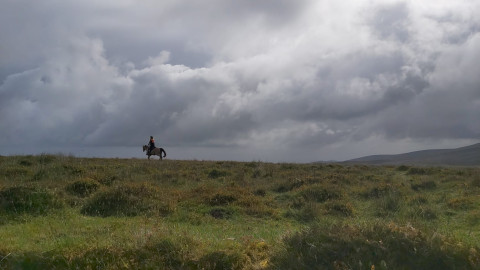
What a year. What a horse!A total of 8 rides ( 9 ride days) and 460 km (the most she's ever done), nearly 9000m (!!) elevation including the Golden Horseshoe 80 km and Red Dragon 80 km! In 2022 I have solely focused on competing Asphodele Larzac, my small (but huge ) amber champagne part bred Arab mare. So why is she both small ...
1539 Hits

The first of a trilogy or webinars on how to train smarter, and not harder. To start training right for your horse you first have to know your horse.
But of course you know your horse! But do you? In an endurance sense? There are so many factors that are part of how your horse can do (or will do) endurance. Every horse has different intrinsic abilities (i.e. a different combination of heart, lungs, types of muscles and thermoregulation). Every horse is built differently, moves different, and we all ride a little different as well!
12 Hits
